Urban evolutionary ecologyParis, FR - New York, US
NICOLASBEKKA, PhD
Nicolas Bekka New York · 2026
About me
I am an urban evolutionary ecologist working primarily on birds. I study how urban environments affect their traits, reproductive success, and welfare, and how natural selection varies between habitats.
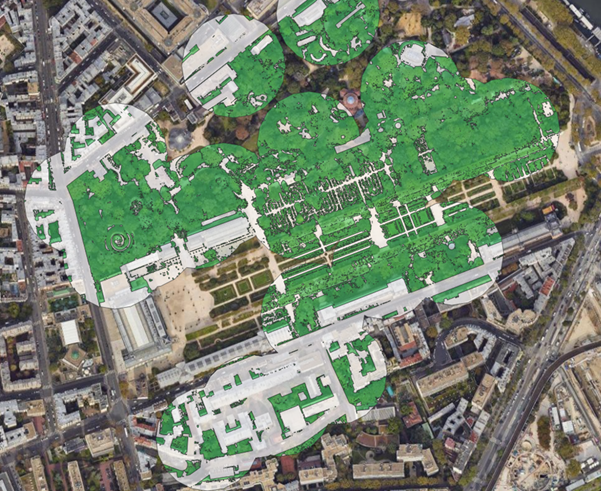
Using high-resolution satellite imagery, fine-scale GIS habitat characterization, and field data, I investigate how animal phenotypes vary along urbanization gradients, from local habitat variation within cities to continent-scale patterns.
Fine-scale habitat classification · GIS
Urban Evolution
I investigate how urban environments alter natural selection and how selection patterns vary with local environmental conditions, potentially contributing to evolutionary divergence in urban populations.
Selection patterns · Parus major & Cyanistes caeruleus
Urban Wild Animal Welfare
I investigate how human-dominated environments shape wild animal welfare, and how ecological and behavioral data can help identify welfare-relevant impacts and inform wildlife-inclusive urban policy.
Bekka, N., Sandmeyer, L., Chardine, N., Eens, M., Eeva, T., Gregoire, A., Grunst, A.S., Grunst, M.L., Isaksson, C., Janas, K., Salmón, P., Szulkin, M., Biard, C. (2026)
Journal of Animal Ecology
Key result
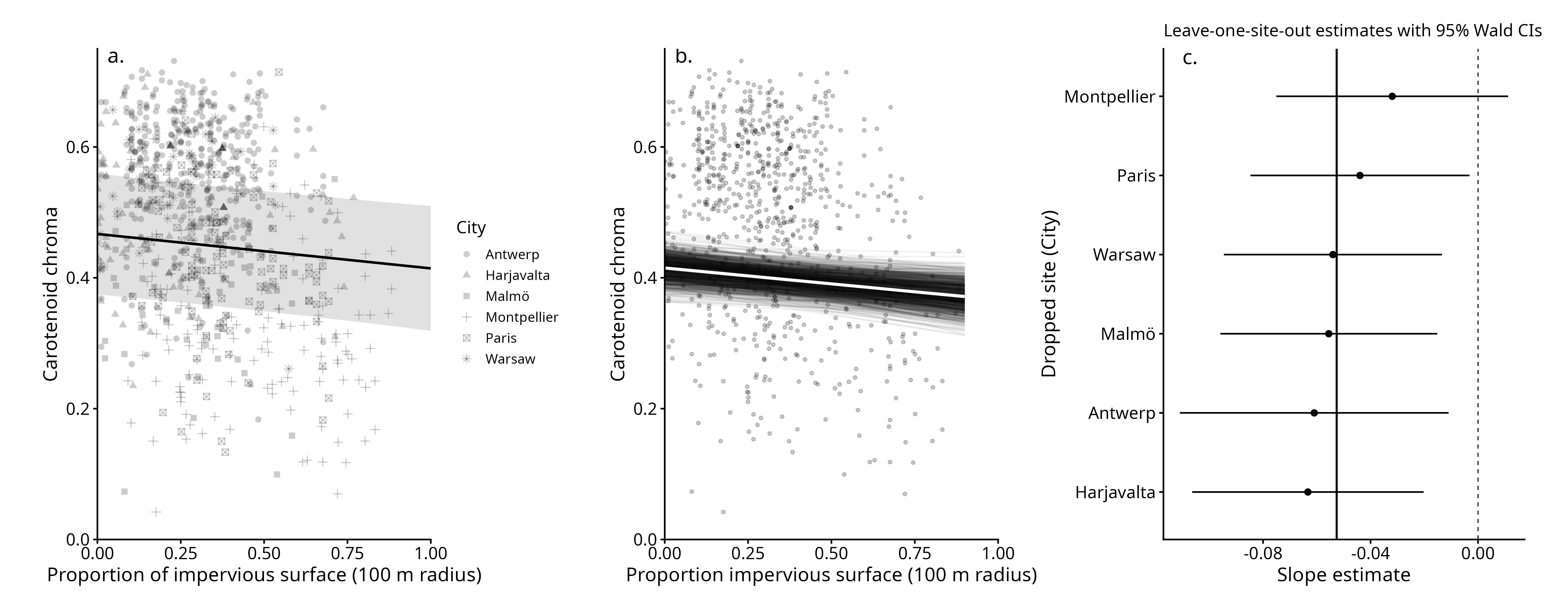
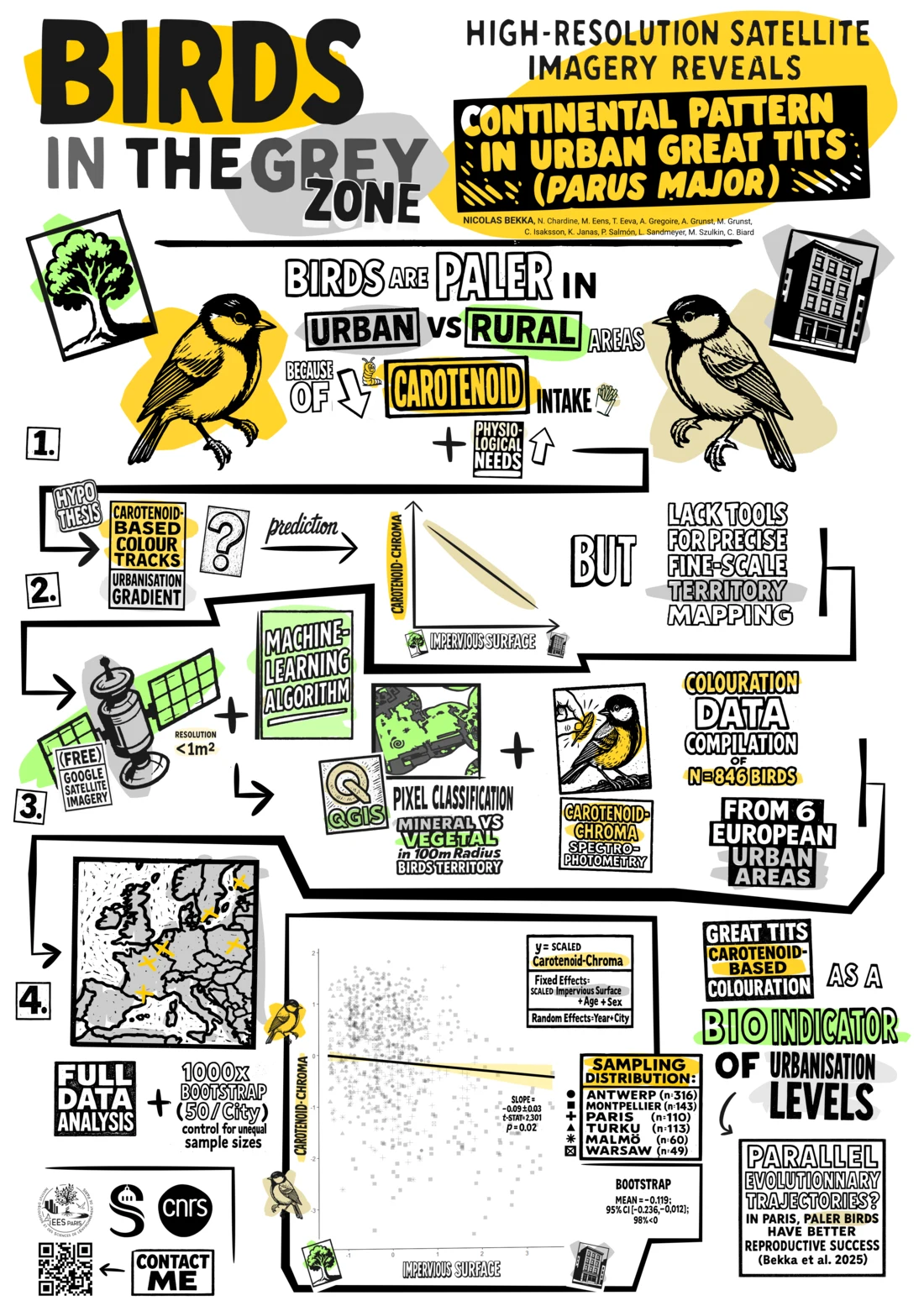
Across six European cities, carotenoid-based plumage coloration declined with increasing impervious surface cover at the territory scale, while brightness and UV coloration showed no comparable relationship. The study provides continent-scale evidence that fine-scale variation in urban habitat structure is associated with phenotypic variation within cities.
Urbanisation alters resource availability and exposes wildlife to novel environmental stressors, potentially driving phenotypic divergence. Carotenoid-based plumage colouration is a condition-dependent trait linked to dietary carotenoid acquisition and physiological allocation trade-offs. Although urban populations are often reported to exhibit paler carotenoid colouration than rural populations, these patterns have rarely been tested along continuous fine-scale urbanisation gradients at a continental scale.
We investigated how reflectance parameters of the yellow breast plumage of adult Great Tit (Parus major) covary with territory-scale local imperviousness, used here as a broad descriptor of urban habitat structure, across six European cities. Using 838 adult observations spanning 2005–2024 and sub-meter-resolution satellite imagery, we quantified the proportion of impervious surface within 100 m of nest boxes and related this metric to feather carotenoid chroma, brightness, and UV chroma.
Carotenoid chroma declined significantly with increasing impervious surface cover within breeding territories across Europe, corresponding to an expected decrease of 0.053 chroma units across the observed 0–88% imperviousness gradient. This relationship remained robust across bootstrap resampling, leave-one-city-out analyses, and models controlling for among-city variation in mean carotenoid chroma. Older individuals exhibited higher carotenoid chroma than yearlings, while males tended to be more chromatic and brighter than females.
Impervious surface cover was not associated with feather brightness or UV chroma, indicating that urban habitat structure is linked specifically to carotenoid pigment deposition rather than feather structural properties and overall quality. Because carotenoid-based colouration depends on dietary intake, higher levels of impervious cover and reduced vegetation may reflect lower availability of carotenoid-rich resources in urban territories, although imperviousness should be interpreted as a multifactorial habitat descriptor rather than a direct mechanistic proxy.
Our study provides the first continent-scale evidence that carotenoid-based colouration declines along a continuous urbanisation gradient. These findings identify plumage carotenoid chroma as a phenotypic correlate of local imperviousness within European cities and highlight the importance of fine-scale habitat characterisation for understanding phenotypic responses to urbanisation. Future studies should test the mechanistic links between territory-scale imperviousness, diet composition, pollutant exposure, physiological condition, and fitness.
Carotenoid chroma × territory-scale imperviousness · 6 European cities
Bekka, N., Agostini, S., Perret, S., Biard, C. (2025)
OikosOnline 2025 · February 2026 issue
Key result
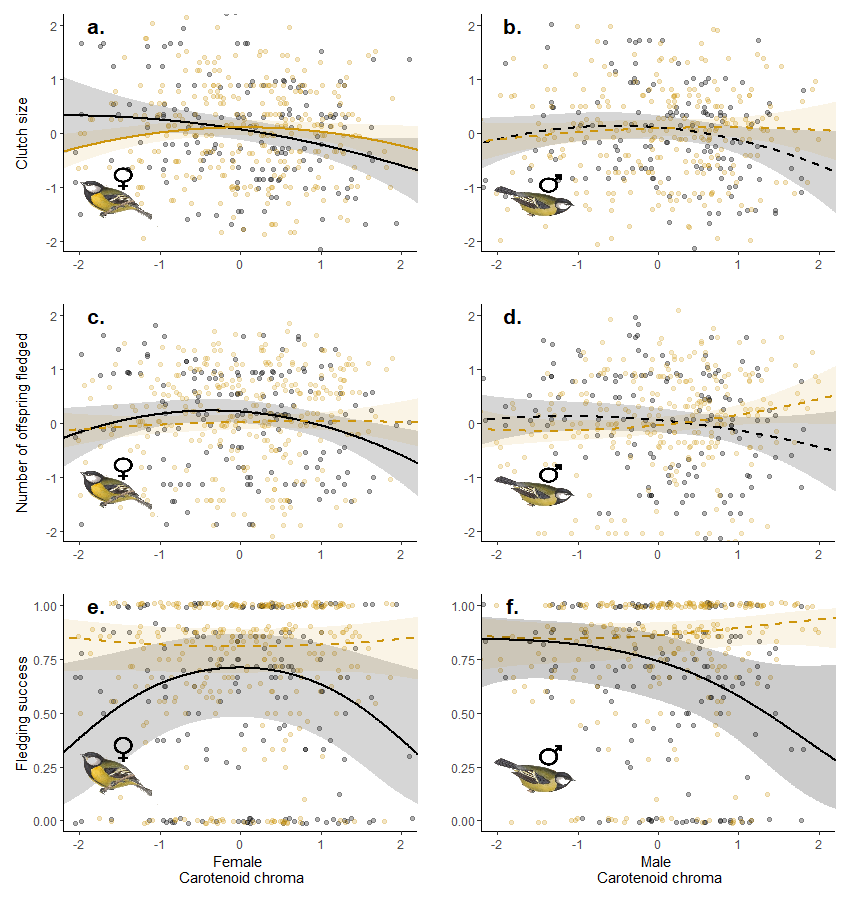
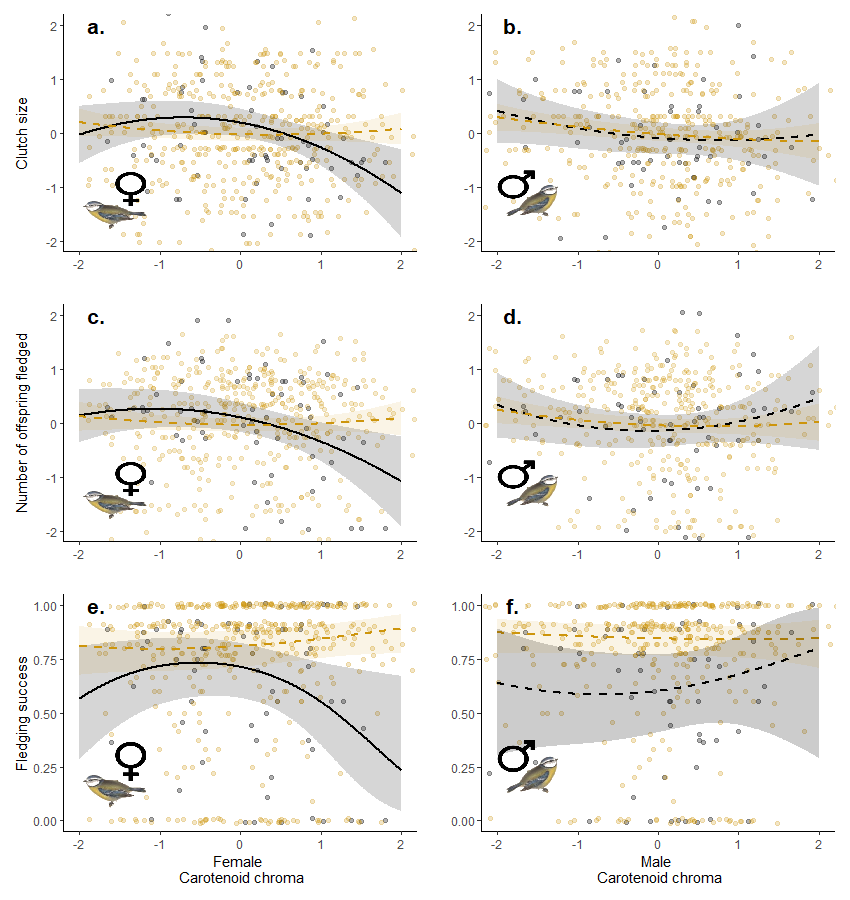
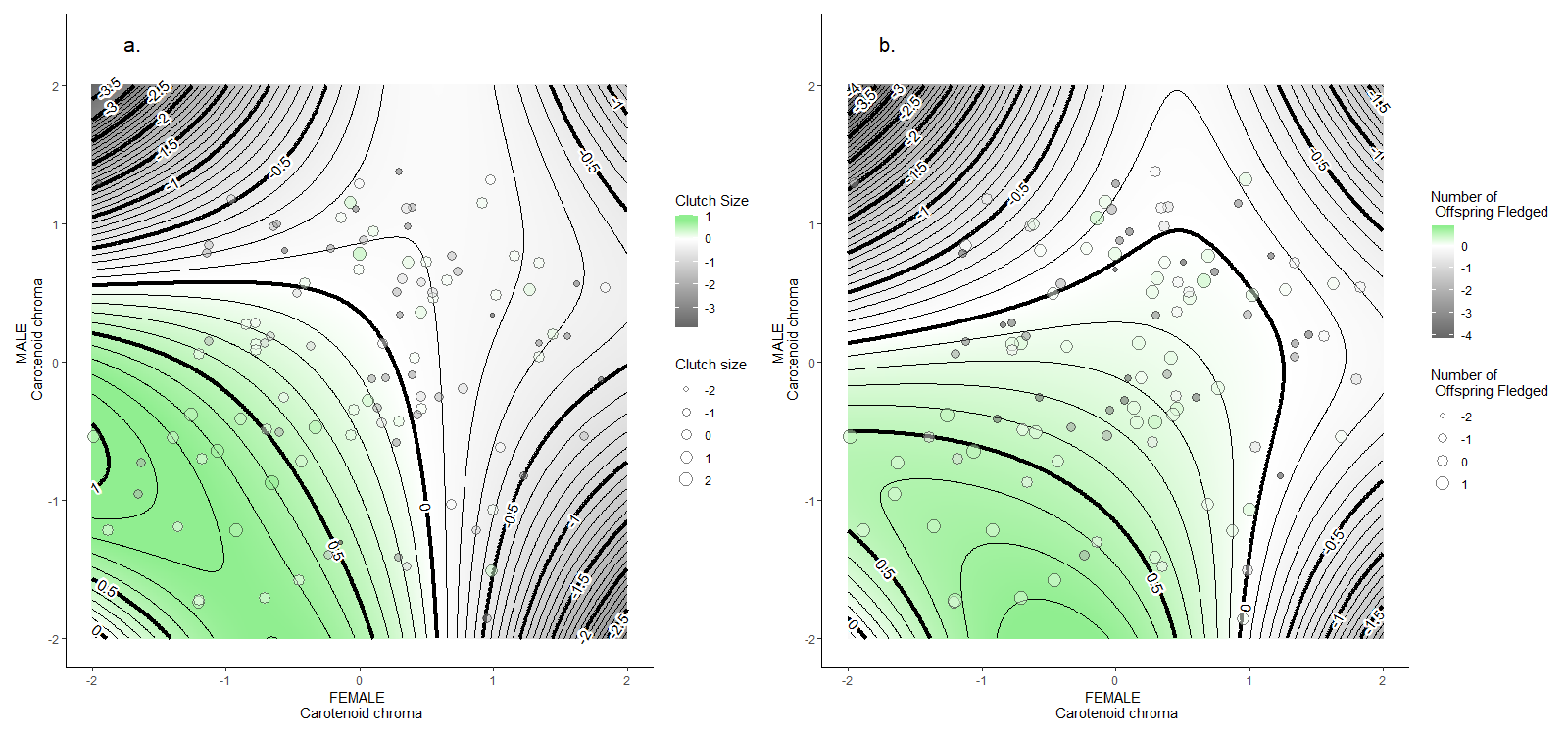
We report reproductive outperformance for paler urban individuals and convergent stabilizing selection on females of both species, while selection patterns in rural populations remain relaxed. By linking plumage coloration to multiple reproductive performance proxies at individual and pair levels, this study provides evidence that natural selection may contribute to the paler carotenoid-based coloration observed in city birds.
Show abstractHide abstract
Urbanisation is a major driver of environmental change, reshaping ecological and evolutionary processes. Urban-driven phenotypic differences are increasingly documented, but the underlying role of selection is still understudied. One pattern is the consistent reduction of carotenoid-based plumage pigmentation in city birds. Urban carotenoid-based colouration dullness may reflect poorer dietary carotenoid availability and a possible tradeoff between ornamentation and physiological functions. We investigated carotenoid-based plumage colouration covariation with reproductive performance in great tits Parus major and blue tits Cyanistes caeruleus, two passerine species found in urban habitats, with overlapping ecological niches but specific foraging ecology. Using 10 years of data from a pair of urban and rural populations, we tested whether covariations between the yellow ventral feathers carotenoid chroma and three measures of reproductive performance (clutch size, number of offspring fledged, and fledging success) differ between habitats. Our analyses uniquely examines both individual and pair-level data, and test for parallel evolutionary trajectories and habitat-specific selection on carotenoid-based plumage. In both species, carotenoid-based colouration of urban females showed stabilising selection, with counter-selection against highly pigmented individuals. In great tits, urban males exhibited directional pattern favouring duller plumage considering fledging success and opposite urban versus rural tendencies considering the number of fledged offspring. The urban great tit pairs that produced the largest clutches and fledged more offspring consisted of males and females that had less pigmentation than the population average. In contrast, selection patterns in the rural population were relaxed, showing no clear association between pigmentation and reproductive performance in either species. These results match the global trend of reduced carotenoid-based colouration in urban environments, and suggest natural selection may contribute to these divergences. Urban habitats may alter dietary resources, favouring less pigmented plumage as a cost-effective adaptation. These findings invite further investigation both in other coloured traits and across diverse urban and rural populations.
Sex- and pair-level links between melanin-based ornament and reproductive performance differ between urban and rural great tits (Parus major)
Bekka, N., Agostini S., Perret, S., Biard, C. (2026)
Ecology & Evolution
Show abstractHide abstract
Across 11 years of urban/rural data near Paris, urban males and females have larger black ties (“urban melanism”). In urban habitats, males with smaller ties have higher clutch sizes and fledged offspring; older urban females with larger ties show higher fledging success, suggesting possible detox benefits. Rural ornamentation is not linked to performance. Optimal male–female combinations differ by habitat: successful urban pairs combine an average/bigger female tie with a smaller male tie, while rural patterns are weaker. Findings point to sex-specific, context-dependent selection and reduced sexual dimorphism under urbanisation.
In Preparation
Context-dependent selection on carotenoid colouration across urban imperviousness in great tits.
Coverage of our Oikos paper on plumage colouration and reproductive performance in urban and rural great tits and blue tits.
PodcastForthcoming
Podcast on the European study
Episode link to follow after release.
04
Fieldwork
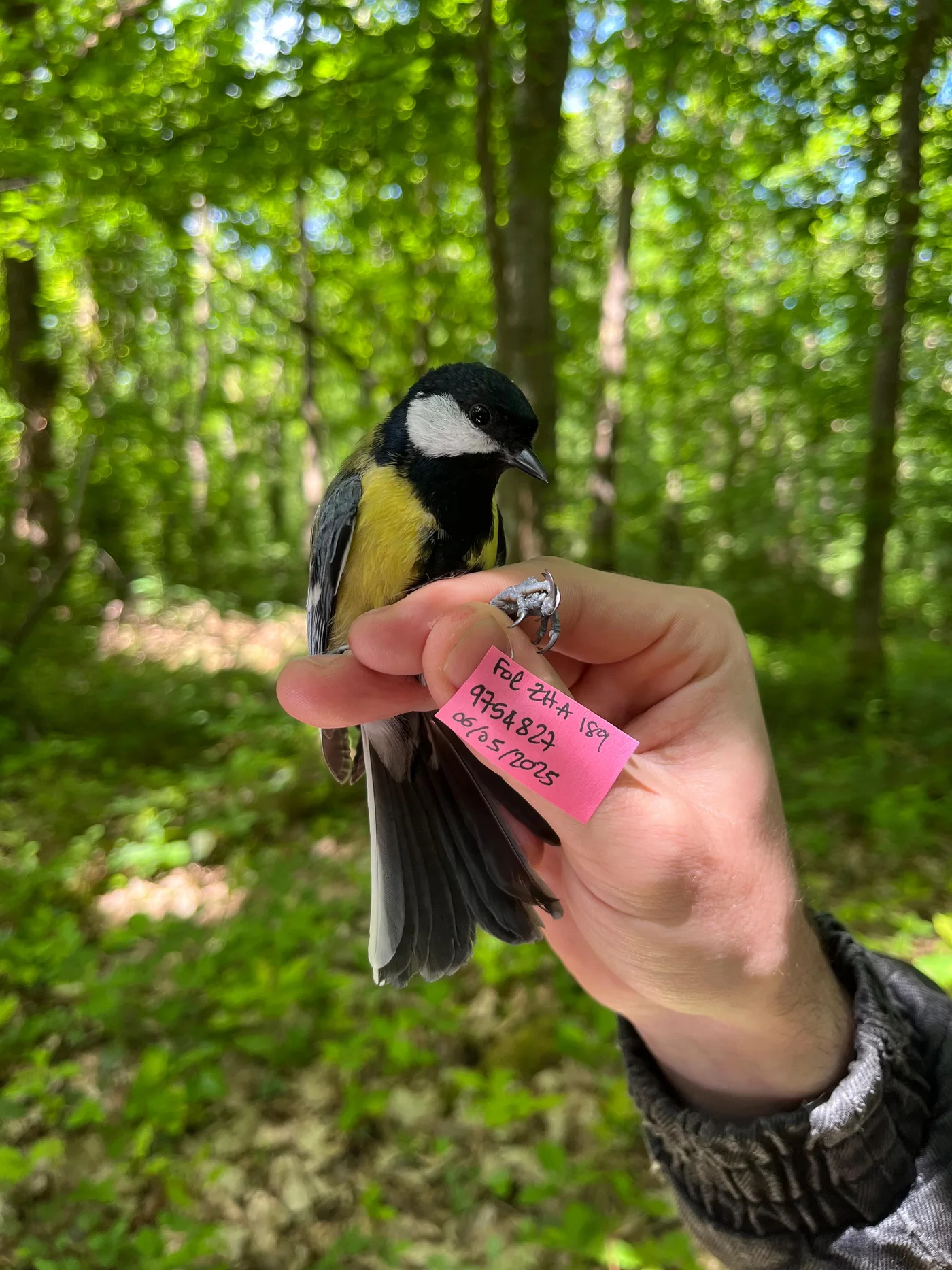
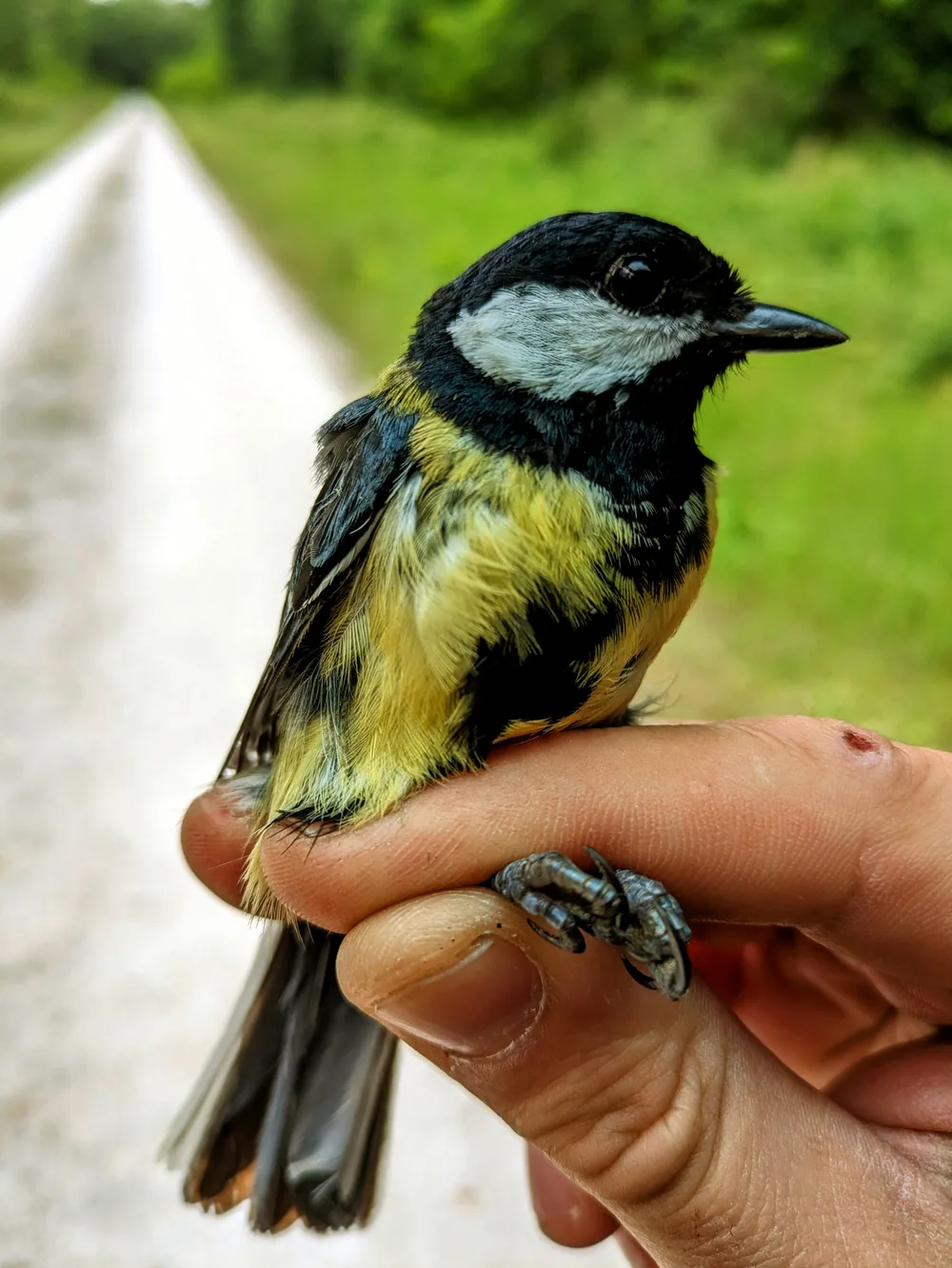
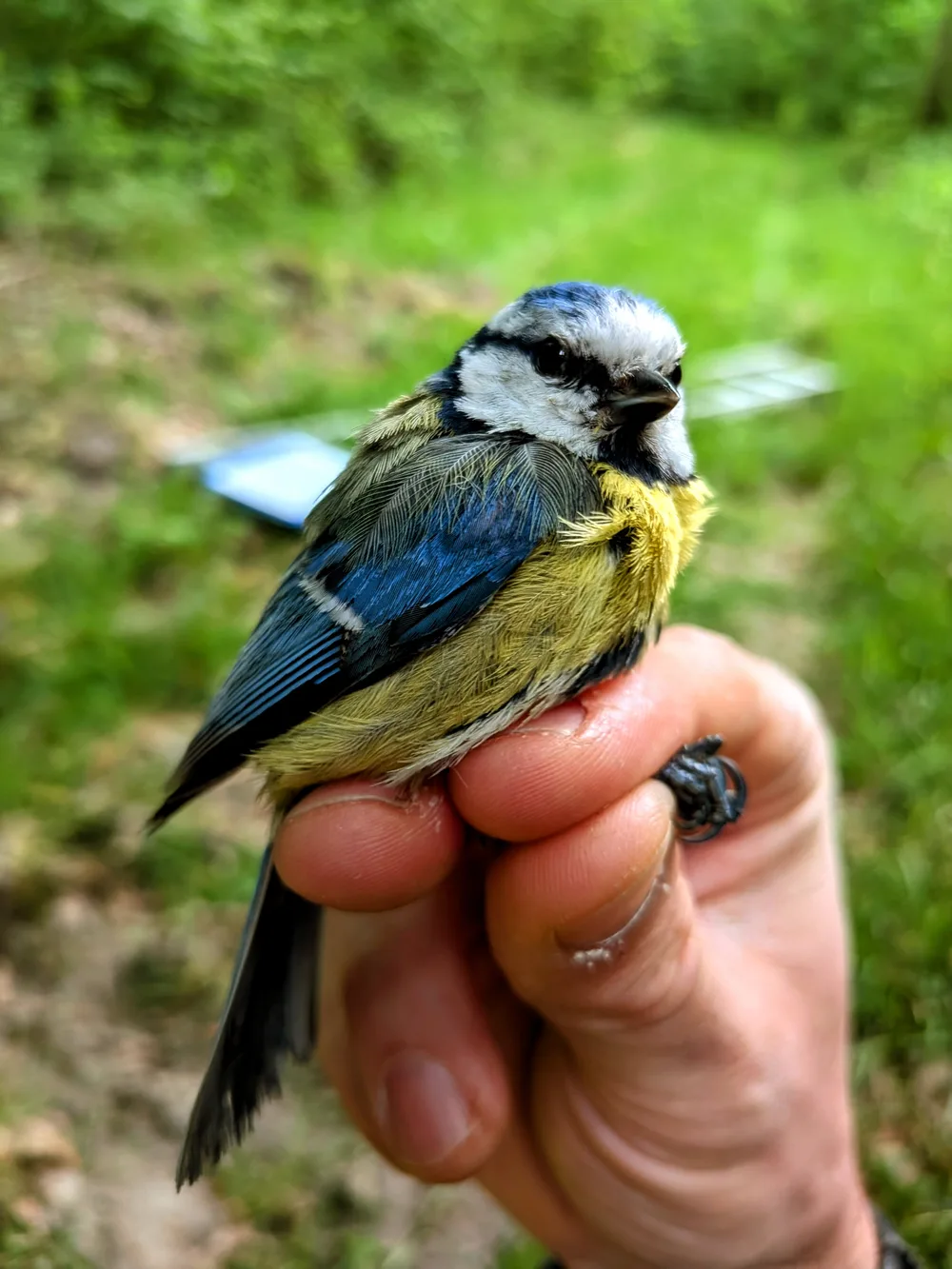
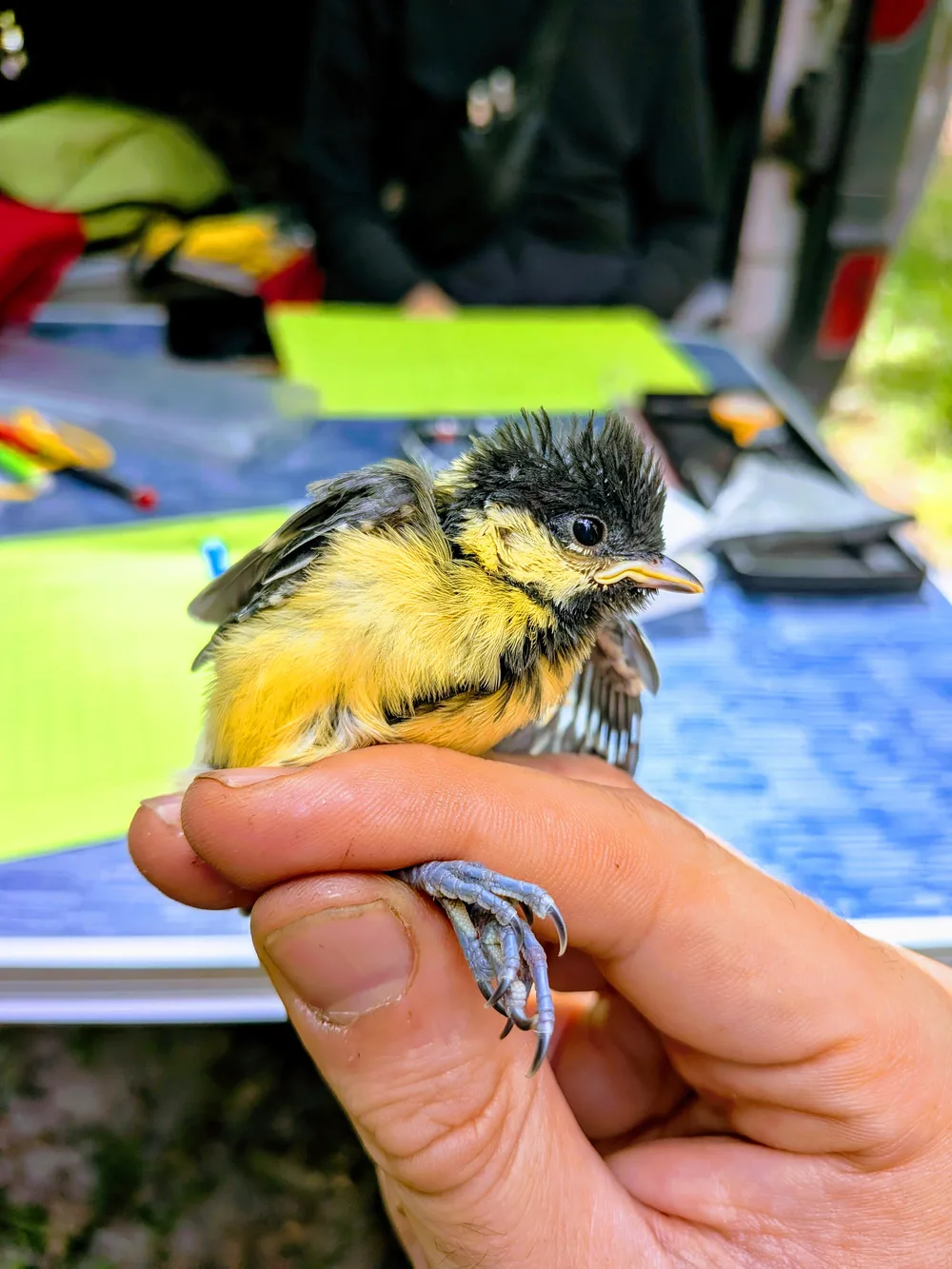
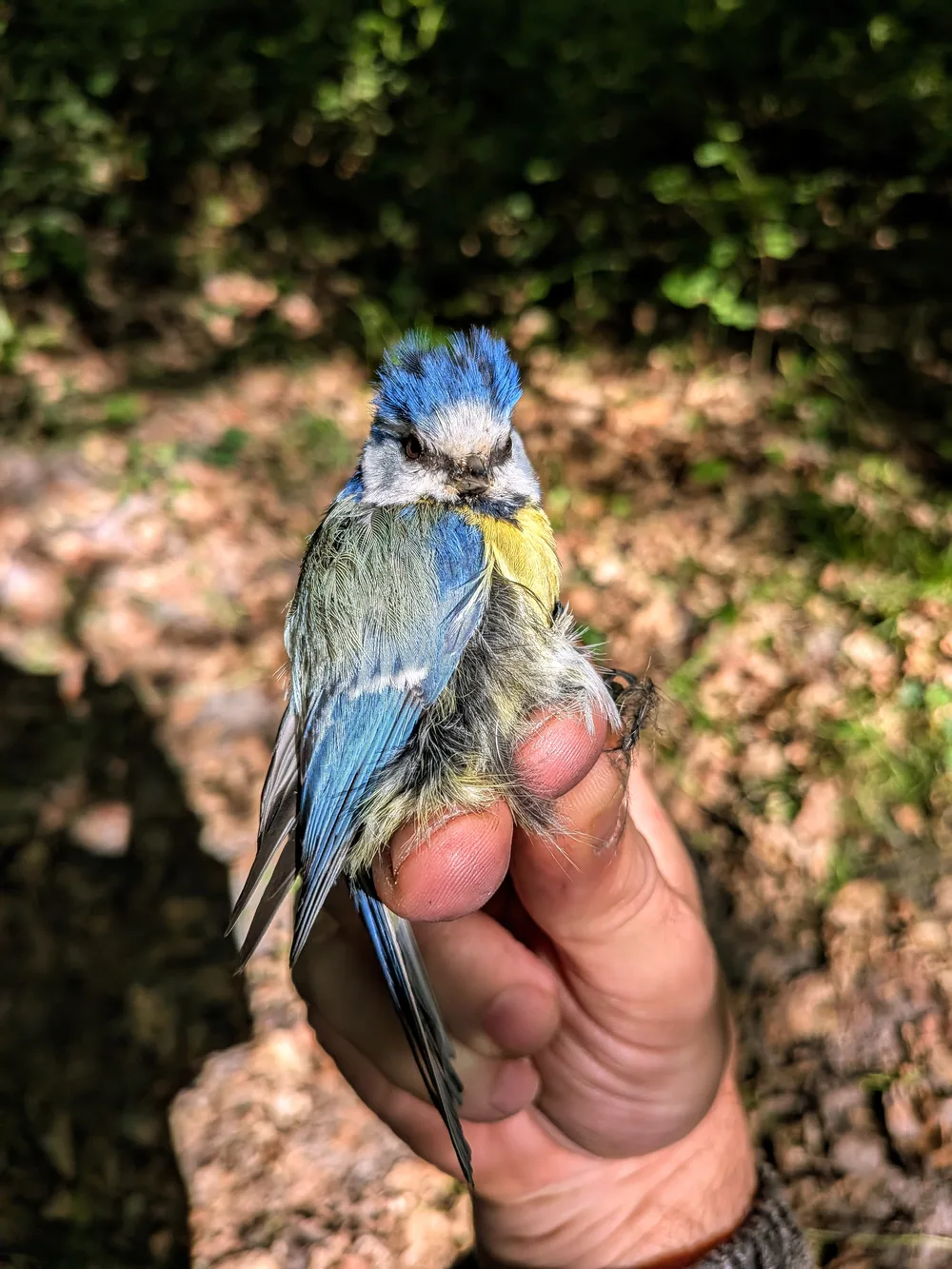
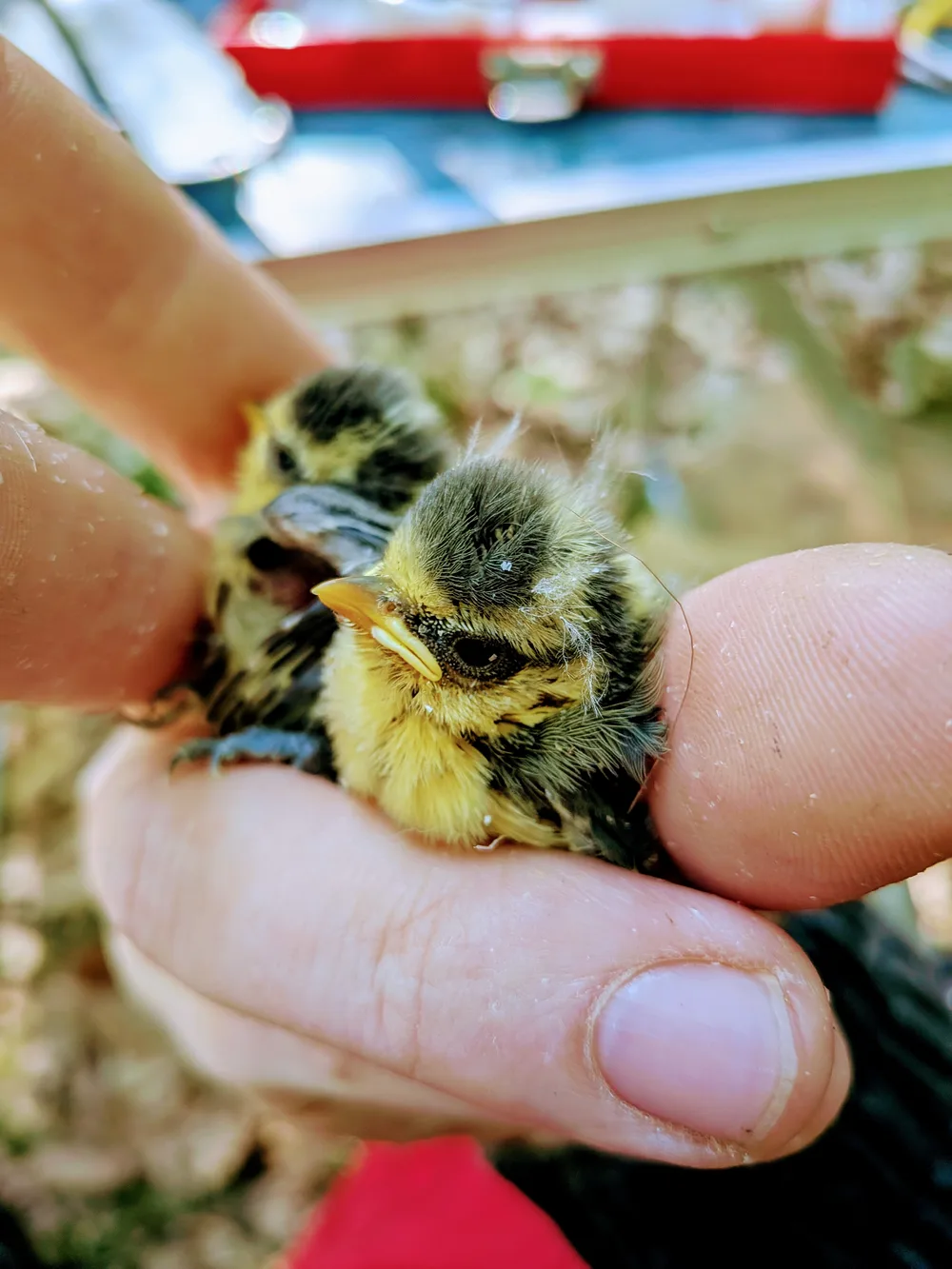
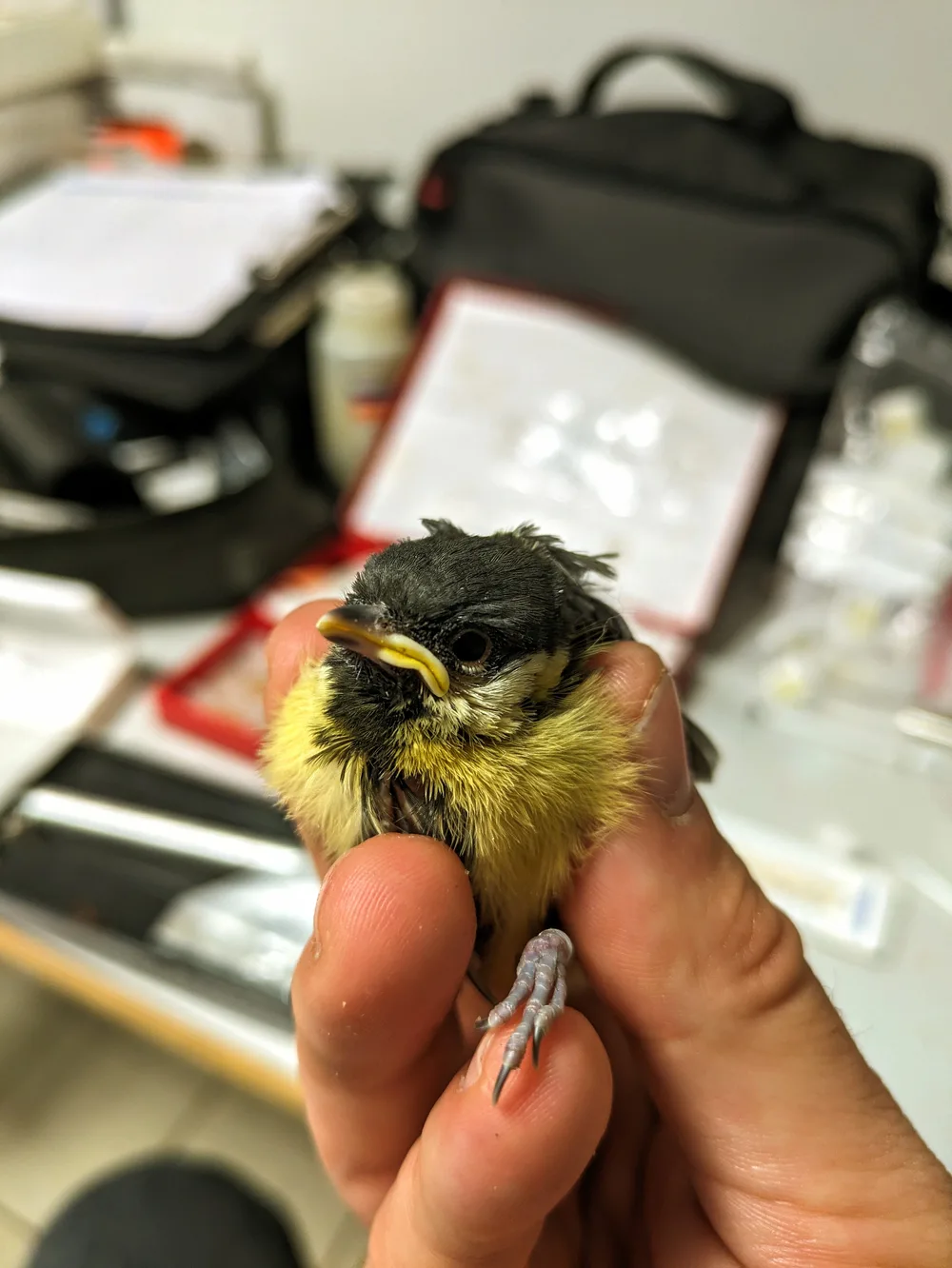
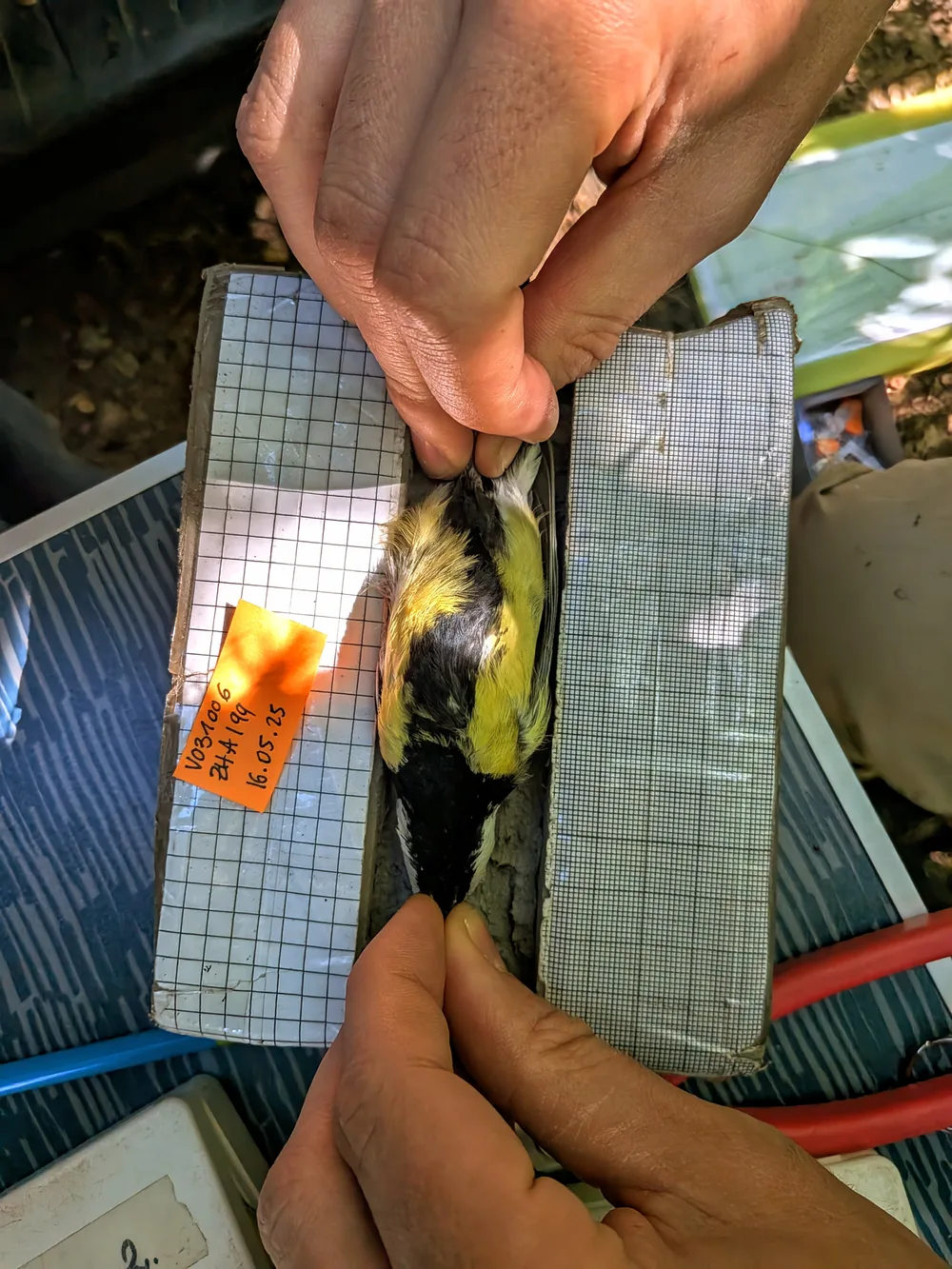
All photos were taken during approved scientific procedures under ethical oversight. No additional stress was caused because of photography.
Never handle wild birds unless you are - trained and authorized - improper handling is dangerous for both animals and people.
05
Expertise
Technical
Ornithology & Field Methods Bird ringing, breeding monitoring, morphometrics, and long-term population surveys.