
Colours of urban selection: Carotenoid-based signals reveal divergent urban/rural evolutionary trajectories in two closely related passerines.
Bekka, N., Agostini S., Perret, S., Biard, C. (2025)
Oikos – Published
https://doi.org/10.1002/oik.11617
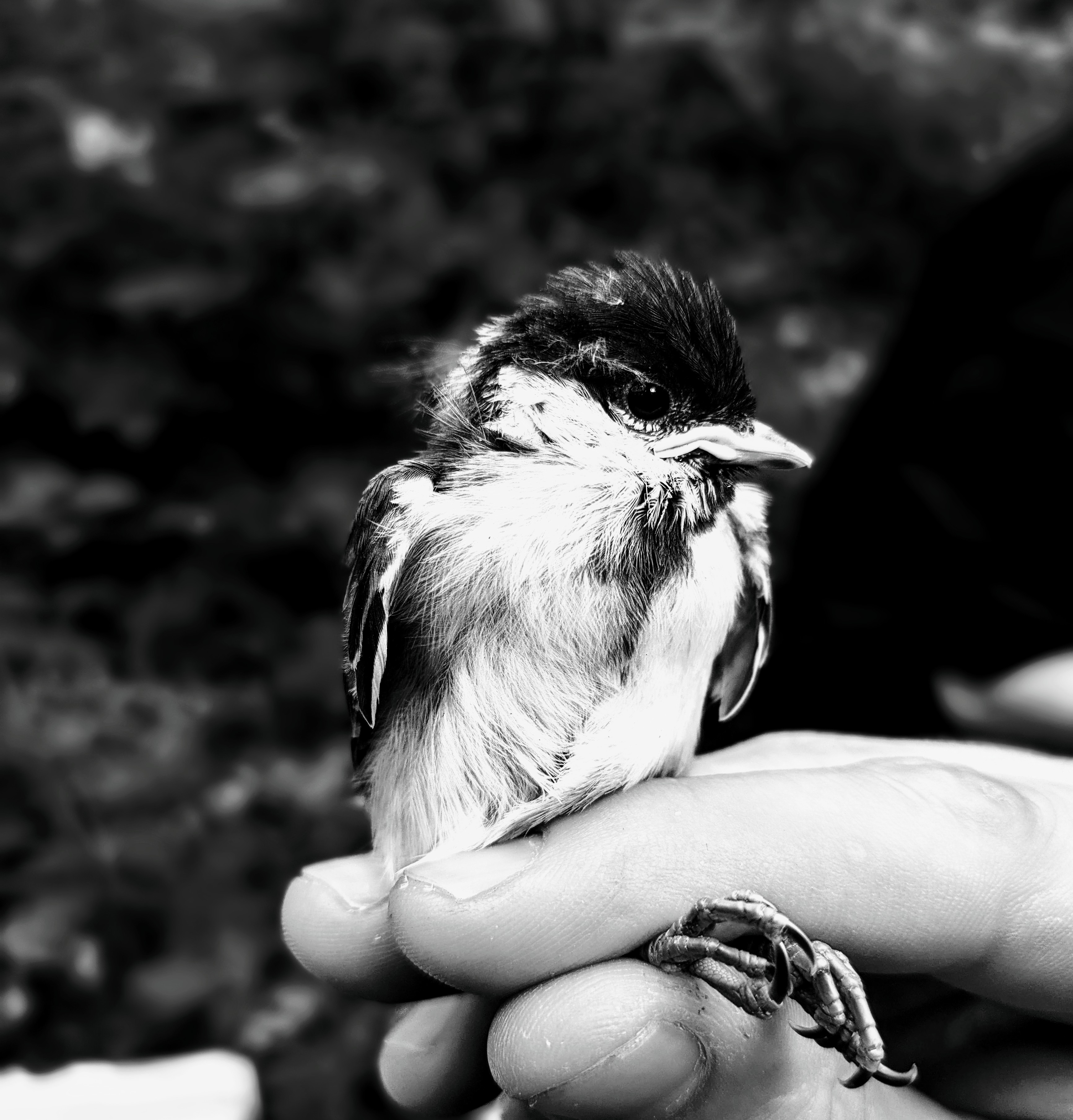
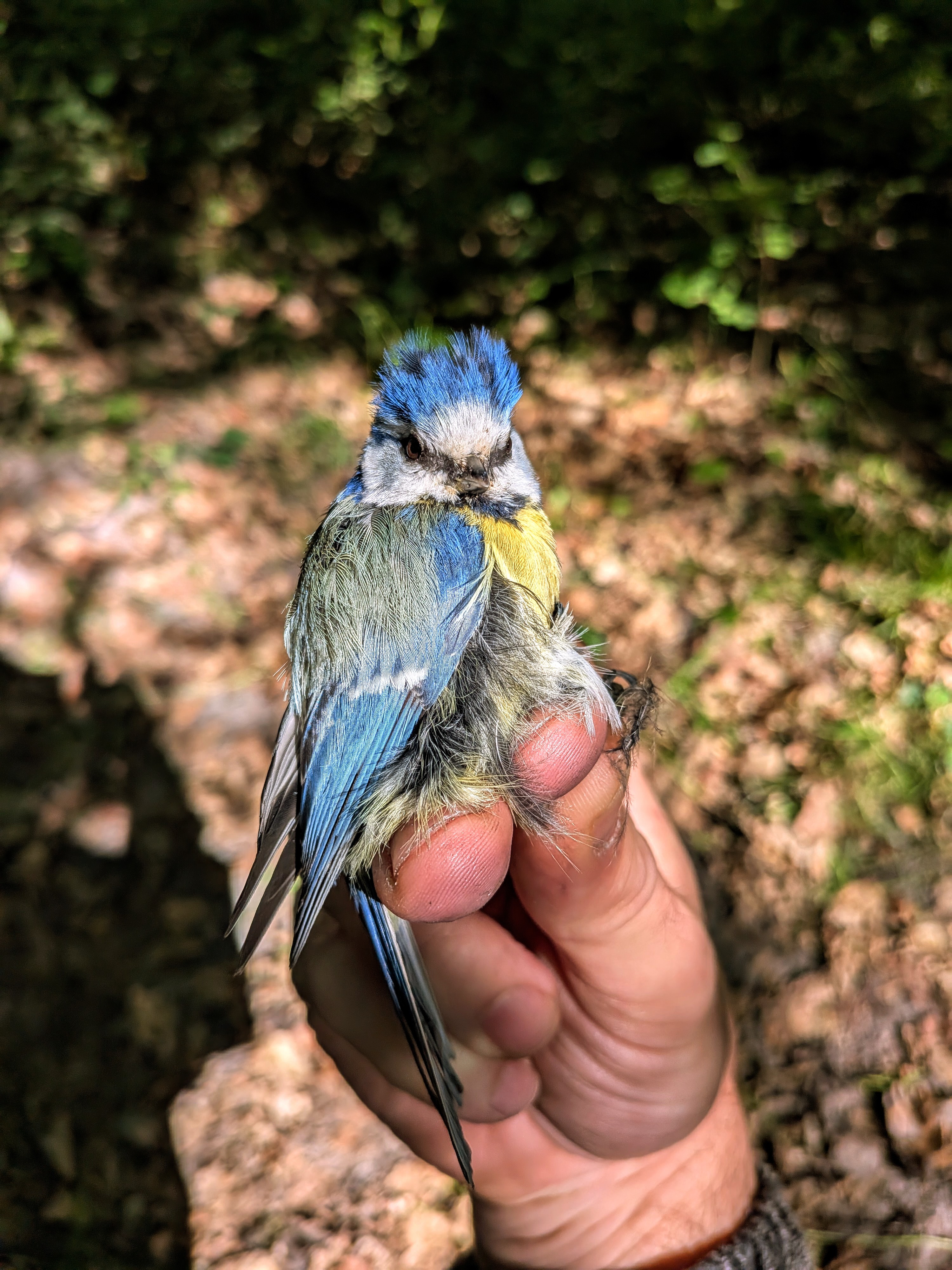
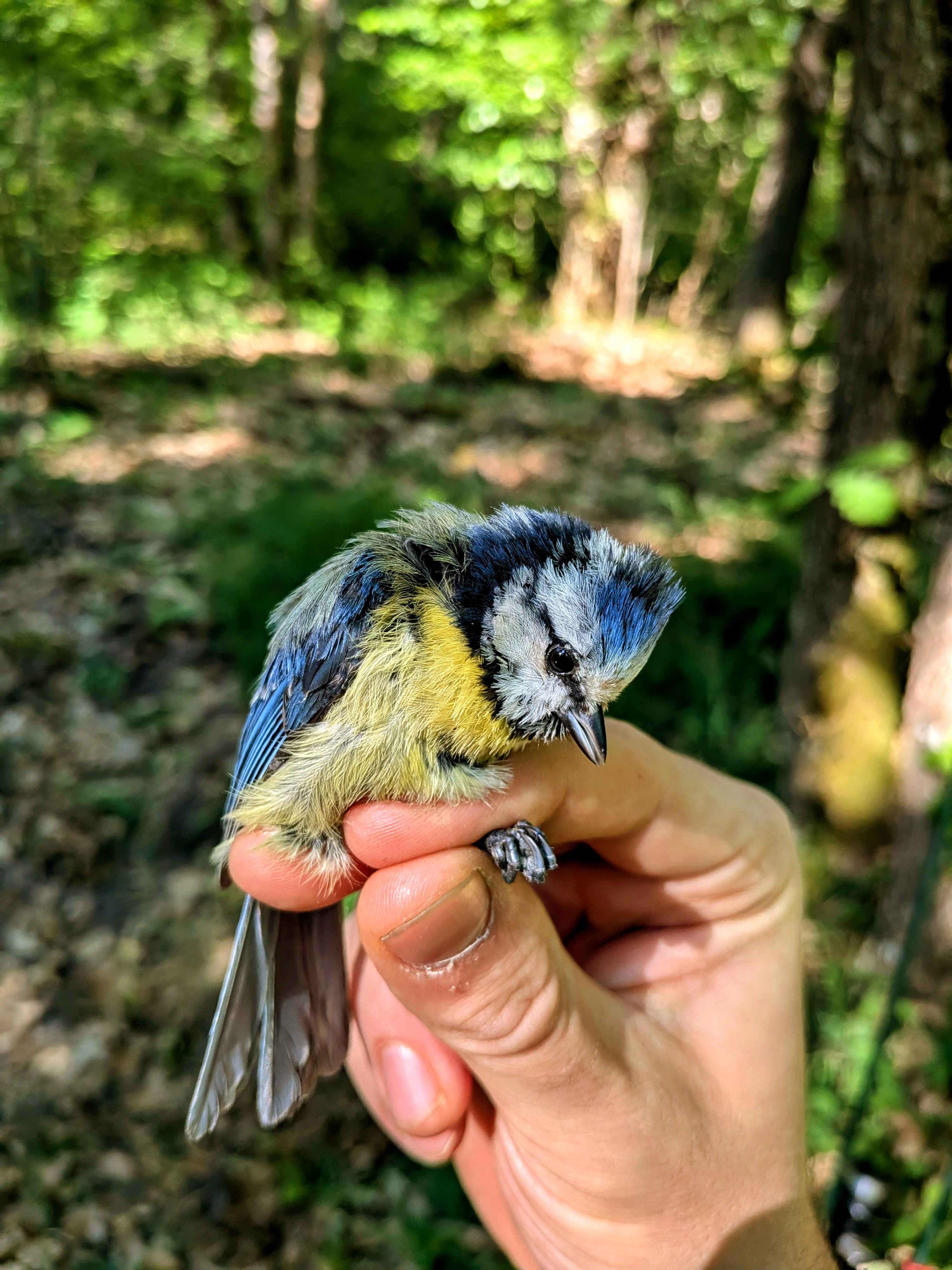
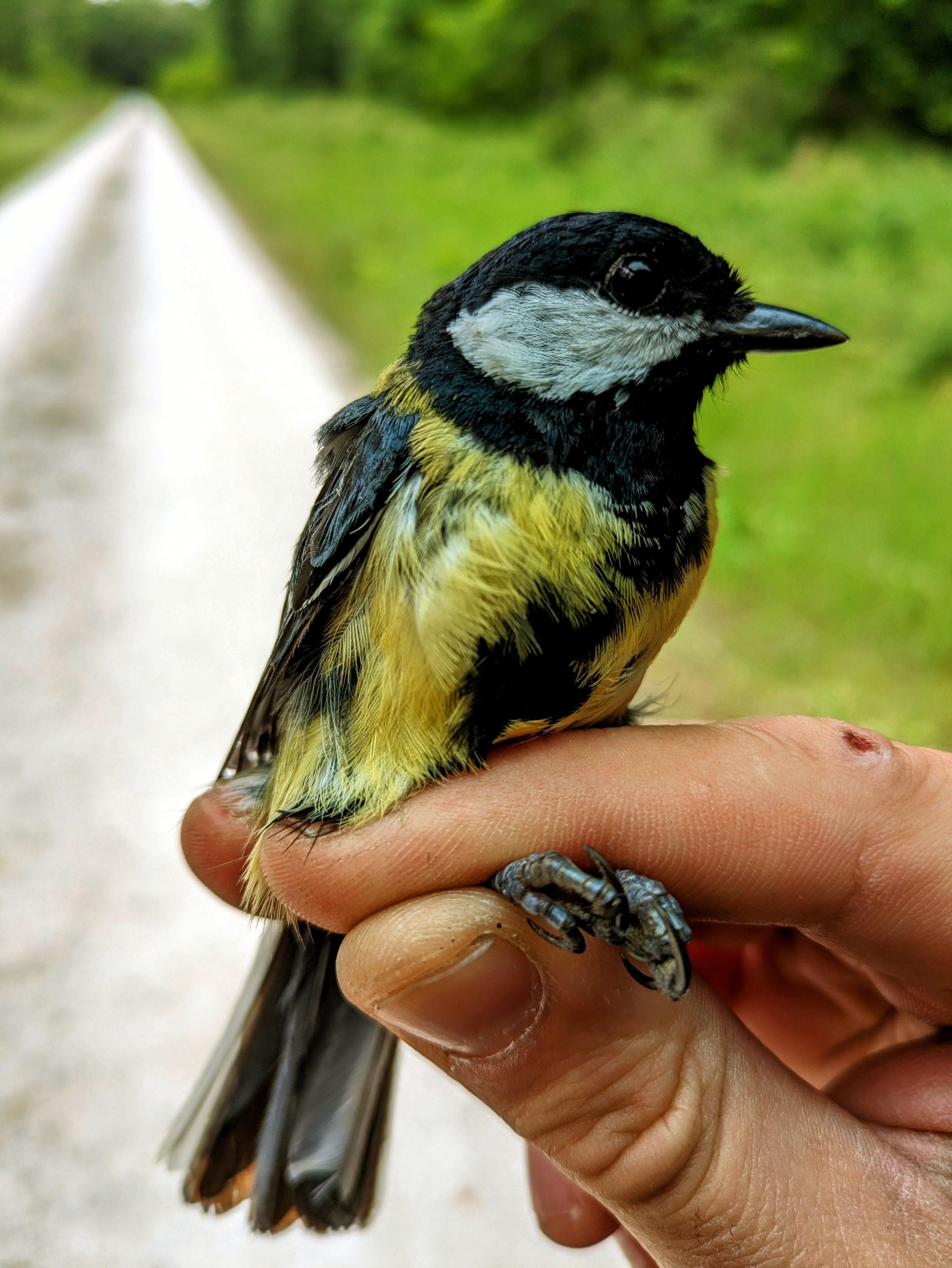
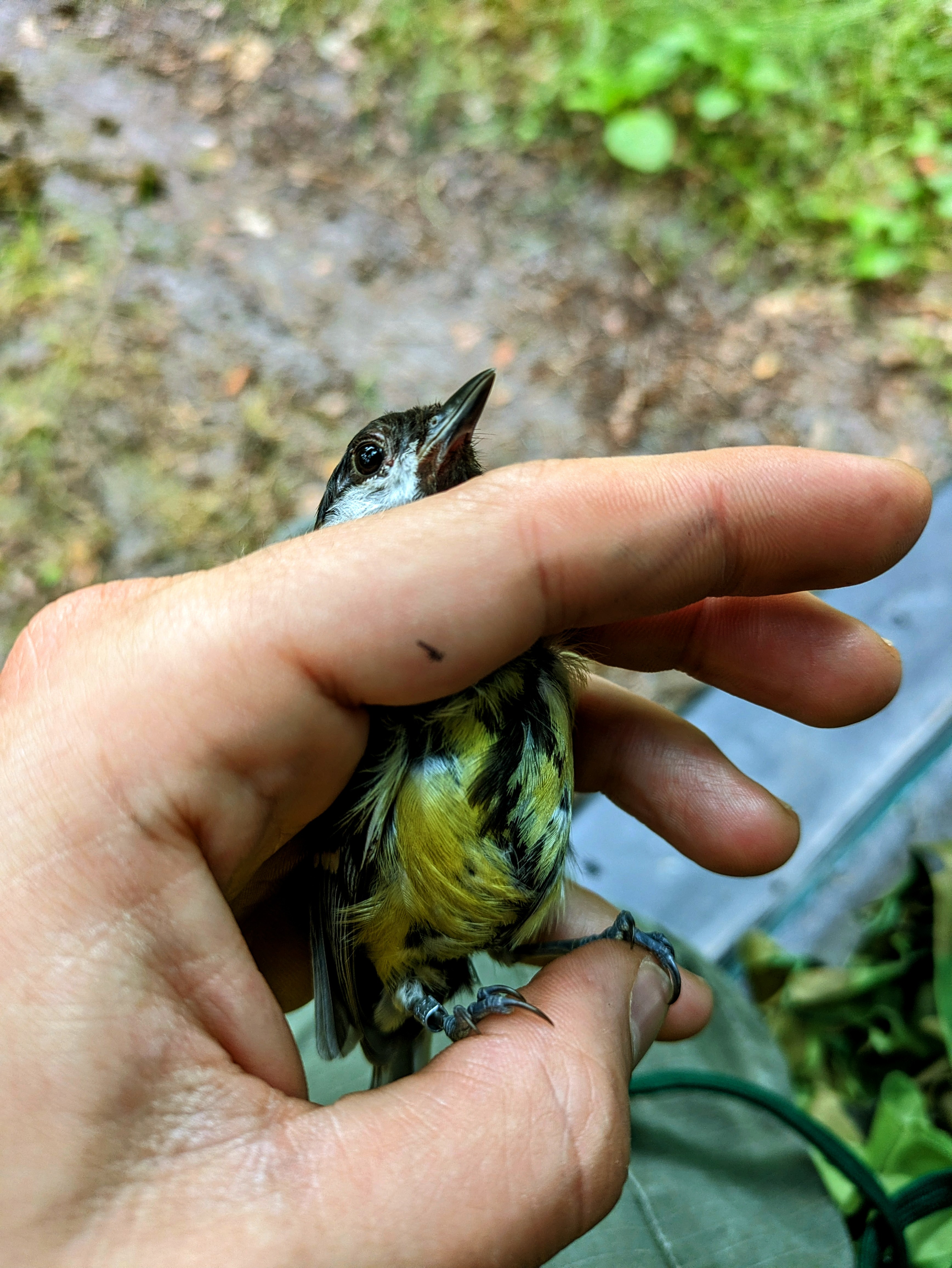
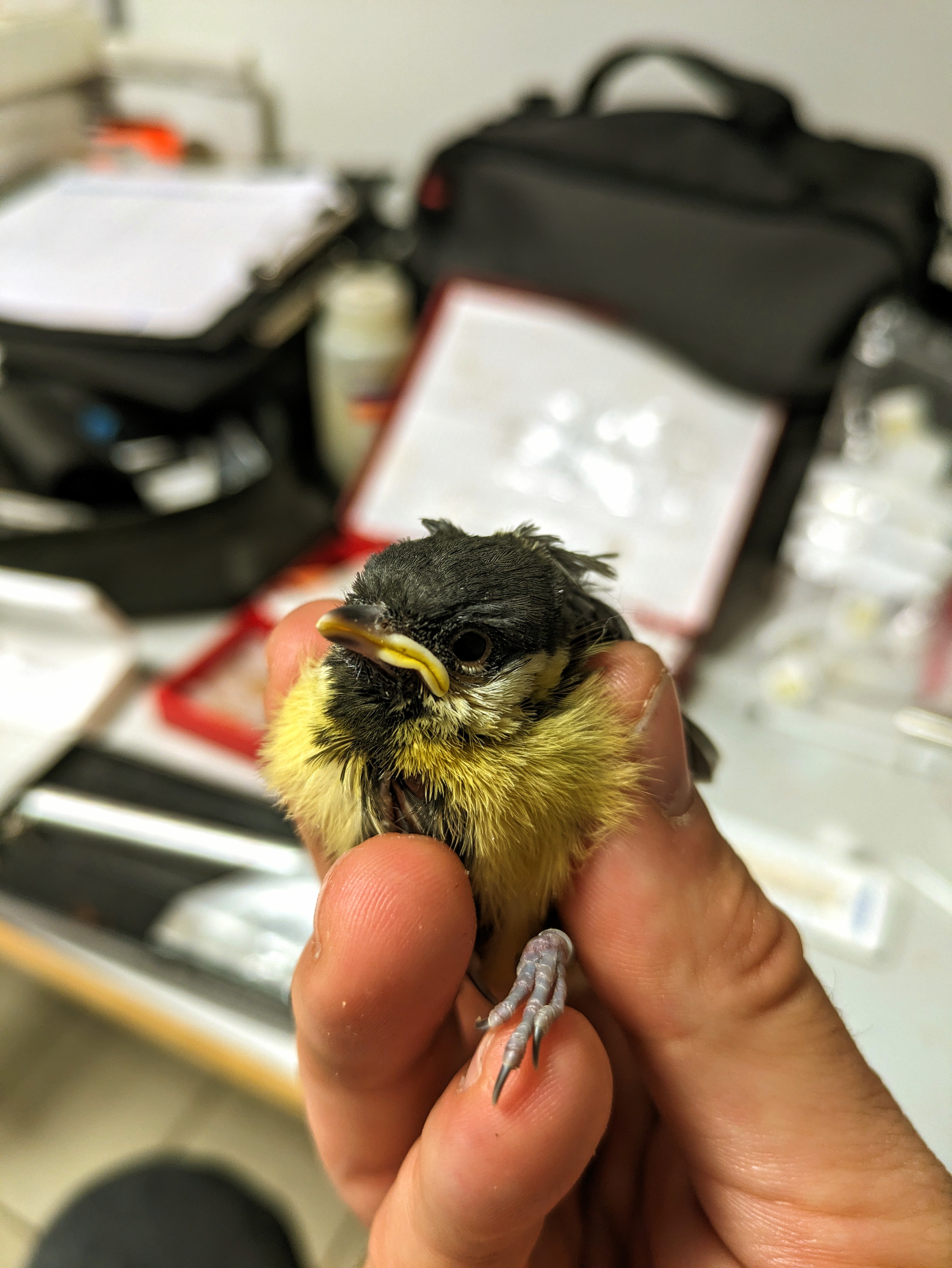
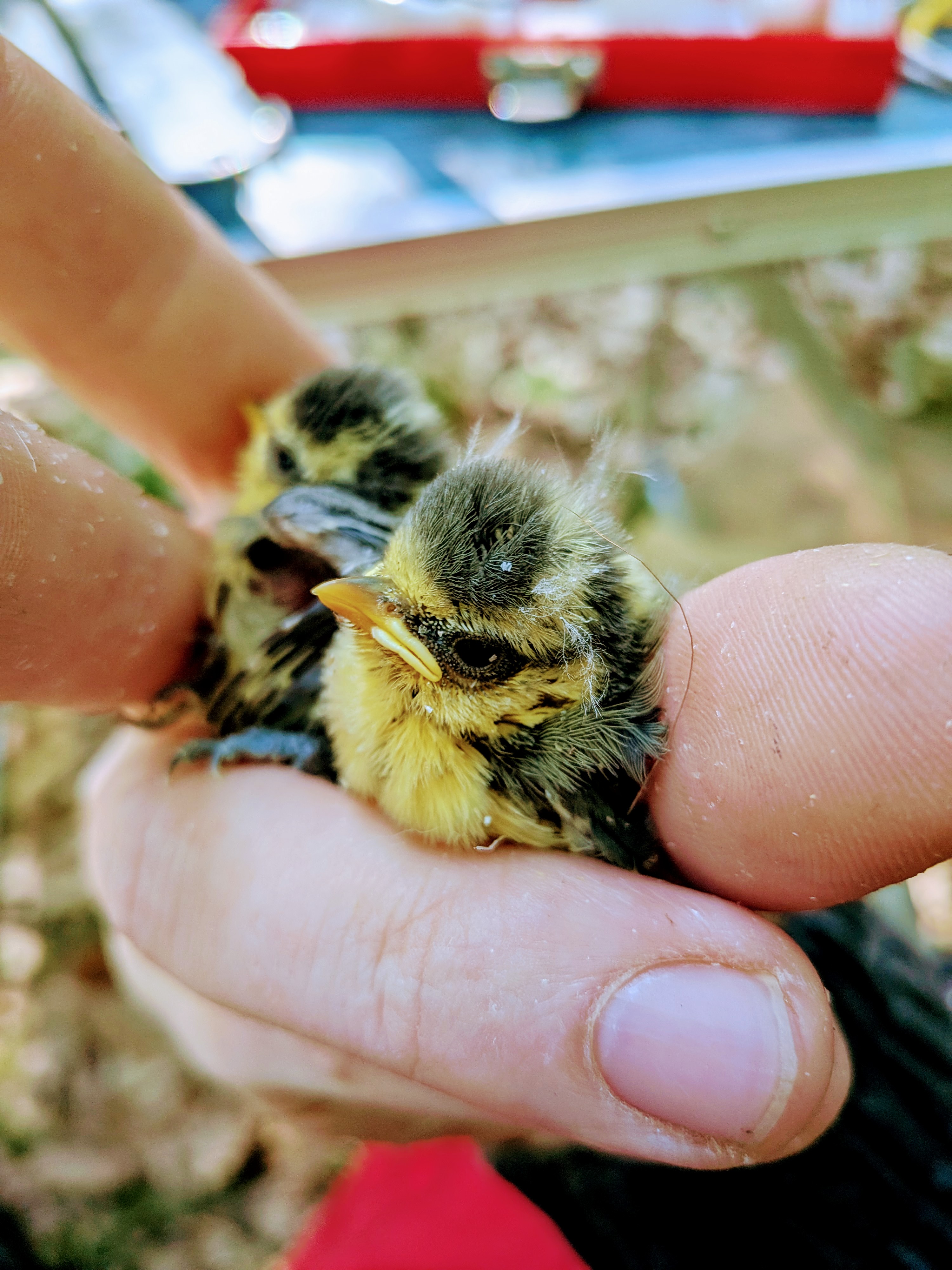
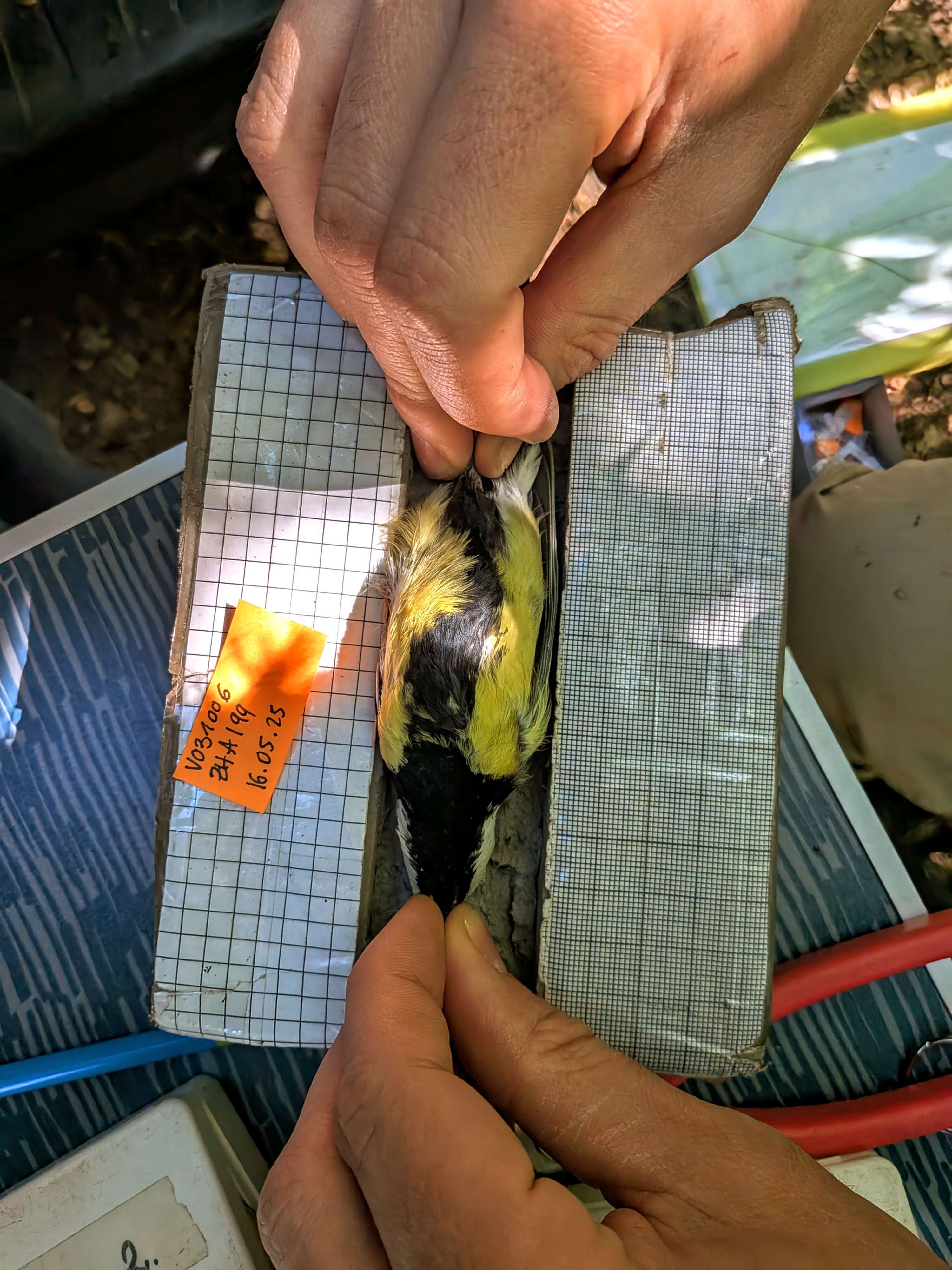
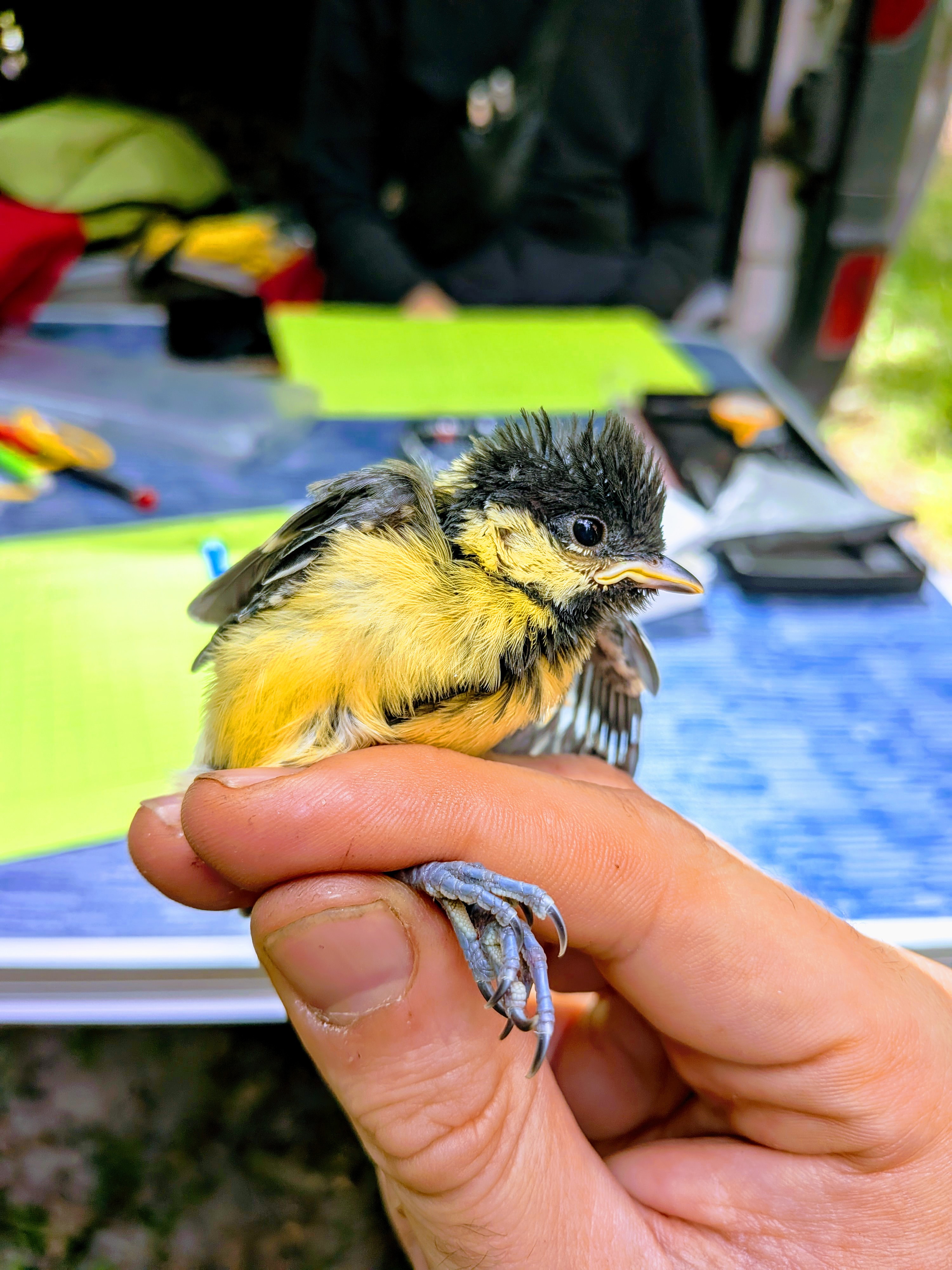
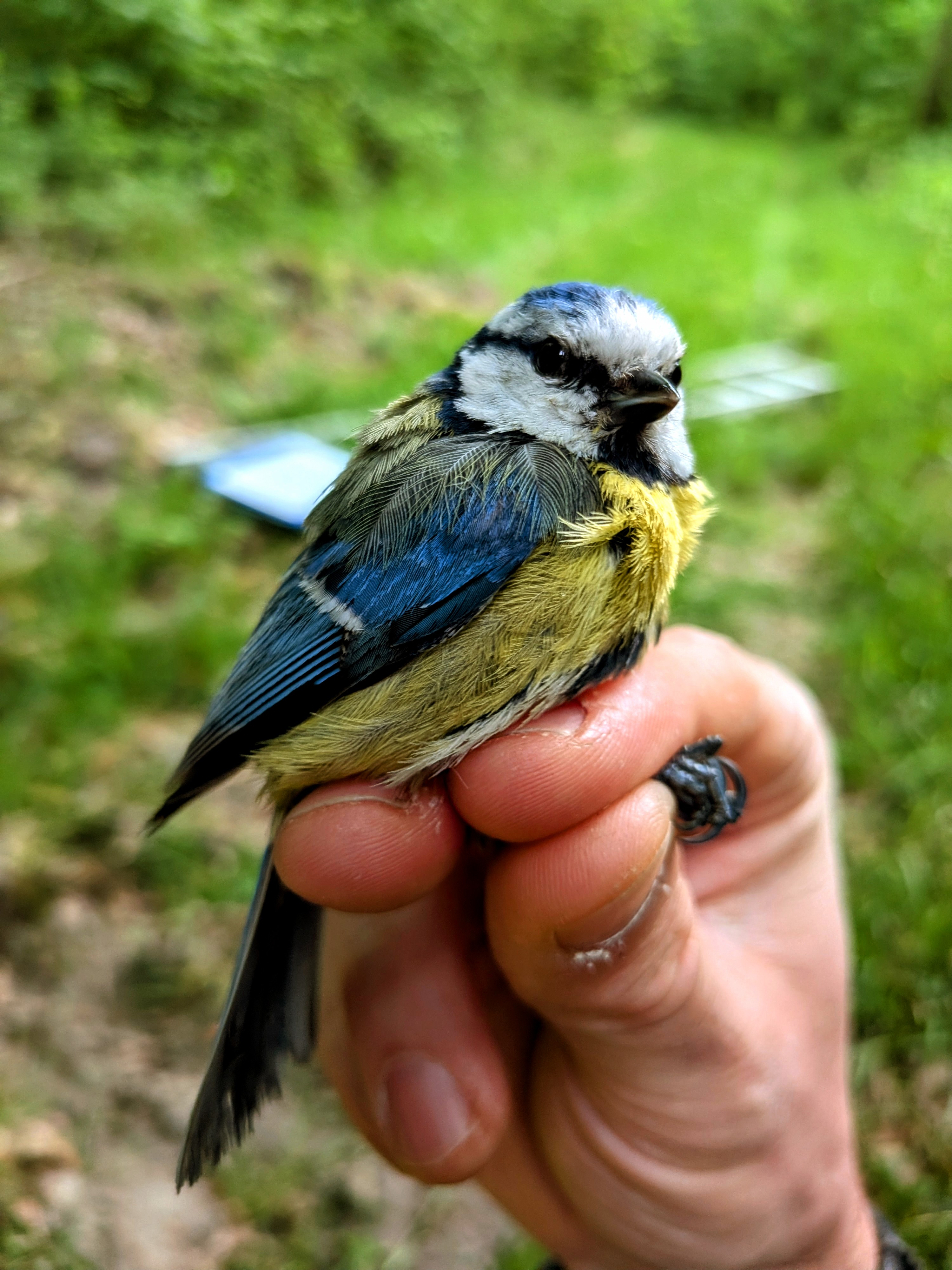
Urbanisation is a major driver of environmental change, reshaping ecological and evolutionary processes. Urban-driven phenotypic differences are increasingly documented, but the underlying role of selection is still understudied. One pattern is the consistent reduction of carotenoid-based plumage pigmentation in city birds. Urban carotenoid-based colouration dullness may reflect poorer dietary carotenoid availability and a possible tradeoff between ornamentation and physiological functions. We investigated carotenoid-based plumage colouration covariation with reproductive performance in great tits Parus major and blue tits Cyanistes caeruleus, two passerine species found in urban habitats, with overlapping ecological niches but specific foraging ecology. Using 10 years of data from a pair of urban and rural populations, we tested whether covariations between the yellow ventral feathers carotenoid chroma and three measures of reproductive performance (clutch size, number of offspring fledged, and fledging success) differ between habitats. Our analyses uniquely examines both individual and pair-level data, and test for parallel evolutionary trajectories and habitat-specific selection on carotenoid-based plumage. In both species, carotenoid-based colouration of urban females showed stabilising selection, with counter-selection against highly pigmented individuals. In great tits, urban males exhibited directional pattern favouring duller plumage considering fledging success and opposite urban versus rural tendencies considering the number of fledged offspring. The urban great tit pairs that produced the largest clutches and fledged more offspring consisted of males and females that had less pigmentation than the population average. In contrast, selection patterns in the rural population were relaxed, showing no clear association between pigmentation and reproductive performance in either species. These results match the global trend of reduced carotenoid-based colouration in urban environments, and suggest natural selection may contribute to these divergences. Urban habitats may alter dietary resources, favouring less pigmented plumage as a cost-effective adaptation. These findings invite further investigation both in other coloured traits and across diverse urban and rural populations.